
 Facebook
 X
X
 Pinterest
 Copy Link
Guest Article by Jim McKinley
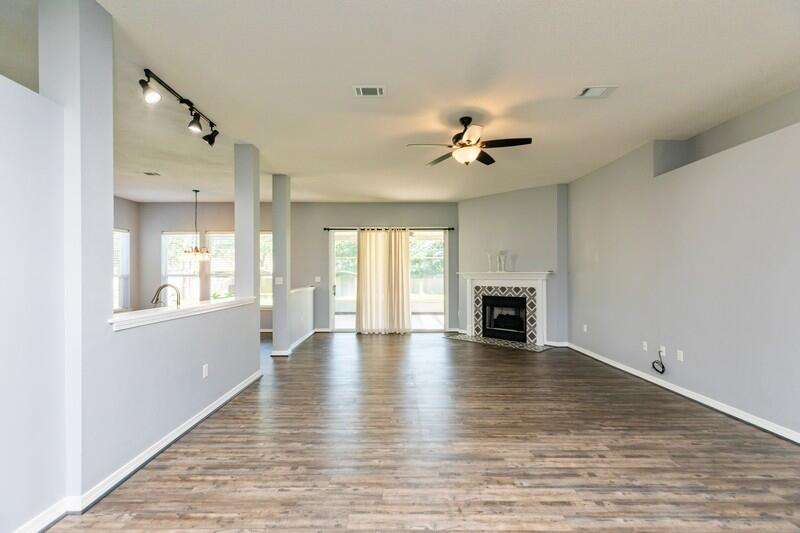
For home sellers who have moved out, whether after a job relocation, a breakup, or buying the next place, post-move home selling can feel like carrying two lives at once. Selling a vacant home brings a specific set of worries: ongoing costs that keep ticking, security concerns when no one’s around, and the stress of keeping the property presentable. Add remote property sale challenges like missed calls, confusing updates, and decisions that need a quick yes or no from miles away, and it can start to feel unmanageable. With the right approach, managing real estate from afar can stay organized and calm.
Run a Remote Sale Plan for a Vacant Home
This process helps you sell a home from a distance without losing momentum or missing important details. It matters because a vacant property can rack up costs quickly, and buyers still expect fast answers and a well-presented home.
- Price it like a vacant home, not a memory
Start by getting a fresh market analysis from a local agent and compare it with recent sold listings, not just active ones. Ask how long similar homes took to sell and whether vacant homes in your area tend to need a sharper price to generate early interest. Choose a list price that creates traffic fast, since every extra week can mean another round of utilities, insurance, and upkeep. - Set up a “virtual-first” showing system
Choose one point of contact for buyers and agents, then set clear showing windows and response-time rules so no request sits overnight. Add a 3D walkthrough and a short video tour so buyers can pre-qualify themselves before anyone visits in person, and remember many sellers see a competitive edge in providing a 3D tour. For safety, use a lockbox managed by your agent and keep a simple log of who enters and when. - Create a remote repair and maintenance loop
Build a small vendor list now: a handyman, cleaner, lawn service, and one emergency contact who can access the home quickly. Ask for photo or video proof after each visit and approve work using written estimates so costs do not drift. Keep a running “fix list” sorted into must-do items for buyer confidence and nice-to-have items only if they pay you back. - Market with a tight weekly cadence
Confirm your listing has bright photos, clear room measurements, and a simple story about why the home is move-in ready. Review online listing activity every week with your agent: saves, showings, feedback themes, and price comparisons that have changed. If showings are low, adjust the first controllable lever fast, usually price or presentation, rather than waiting for the market to guess. - Coordinate the closing so distance is not a delay
Get your documents lined up early, including disclosures, payoff info, and any HOA paperwork, so you are not scrambling under a deadline. Ask your agent or escrow team what can be signed electronically and what needs a notary, since remote closing uses digital tools and platforms to finalize real estate transactions from different locations. Set a “same-day decision” rule for inspection requests and buyer credits so negotiations do not stall.
Offer a Transferable Home Warranty to Calm Buyer Nerves
When you’re managing a vacant home from afar, buyers can get extra jumpy about what might break after they move in. One simple way to lower that anxiety is to offer to transfer a home warranty to the buyer at closing, so it feels like there’s a safety net if something goes wrong. It can make your listing more attractive and give you a small but meaningful bargaining chip in negotiations, especially when buyers worry that a home sat empty or was maintained remotely. A home warranty is an annual renewable contract that can cover breakdowns to your heating, cooling, electrical, and plumbing systems, along with covering appliance repairs; if you want a clear refresher on what that means, start with home warranty basics explained.
Remote Home-Selling Questions, Answered
Q: What happens during an inspection if the home is vacant?
A: It works like a normal inspection, but access logistics matter more. Leave clear instructions for lockbox entry, and make sure all utilities are on so systems can be tested. If you cannot be there, ask your agent or a trusted local contact to be available for questions.
Q: How do I handle repairs when I’m already living elsewhere?
A: Get at least two quotes with photos or video so you can compare scope, not just price. Use licensed pros, pay by card or invoice for a paper trail, and schedule work right before recheck or appraisal when possible. If timing is tight, consider offering a closing credit instead of rushing a fix.
Q: What legal paperwork do I need to worry about when selling remotely?
A: Plan to complete disclosure requirements accurately and on time, since buyers are extra cautious with empty homes. Ask your escrow or closing company about remote notarization and how they prefer signatures delivered. Keep a shared digital folder for signed documents, receipts, and contractor invoices.
Q: When should I list if I’m worried I moved “too early”?
A: You can list as soon as the home is secure, clean, and easy to show, even if you moved months ago. A vacant home often photographs well when staged lightly and kept spotless. The key is providing ongoing care with recent service records and consistent maintenance.
Q: Should I meet with an agent even if I’m confident I can manage it?
A: Yes, because meeting with a realtor can quickly surface blind spots like access, vendor coordination, and negotiation norms. You can treat it as a planning session and still decide how hands-on you want to be. Clear roles upfront reduce last-minute stress.
Remote Sale Finish-Line Checklist
This checklist turns remote selling into a set of clear, finishable tasks. Use it to prevent last-minute surprises, keep buyers confident, and protect your time and money from afar.
✔ Confirm lockbox access details and backup entry instructions
✔ Keep utilities active for showings, inspections, and appraisal testing
✔ Collect two repair bids with photos or video walkthroughs
✔ File disclosures, invoices, and signed forms in one shared folder
✔ Schedule lawn, HVAC, and pest touch-ups before key buyer visits
✔ Arrange a local contact for urgent questions and contractor entry
✔ Plan the final walkthrough with a fresh cleaning and lights on
Check these off, and you are much closer to a smooth closing.
Finish Your Remote Home Sale With One Clear Weekly Move
Selling a home after moving can feel like trying to steer a big decision from a thousand miles away, especially when details keep popping up. The steady approach here is simple: treat the sale like a remote project, build reliable local support, and follow a clean checklist so nothing depends on luck. That mindset builds remote sale confidence and keeps an efficient home sale completion within reach, even when life is already busy in the new place. A remote home sale works best when the process is systemized, not improvised. Pick one action this week, confirm your next closing deadline and who’s responsible for it. That small bit of post-move seller motivation protects your time, your cash flow, and your peace of mind.
