
 Facebook
 X
X
 Pinterest
 Copy Link
Guest Article by Alice Robertson
For homebuyers touring older places, the hardest part often isn’t price or location, it’s evaluating property functionality when a home has good bones but outdated home finishes, awkward home layouts, or empty rooms that feel smaller and stranger than they are. Those surface cues can hijack the first impression, making it tough to trust what’s real versus what’s just visual noise. The result is a quick “no” on houses that could live well with the right lens. The goal here is to help homebuyers separate discomfort from dealbreakers and get clearer about what they’re actually buying when visualizing livable space.
Understanding Mindset Barriers in Older Homes
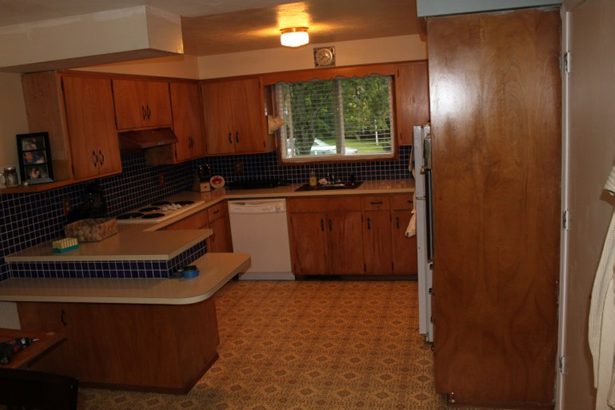
A big part of “this house won’t work” is a mental shortcut, not a structural fact. Mindset barriers show up when dated finishes or a weird layout triggers assumptions that change will be impossible, expensive, or endless. This matters because stress makes you judge faster and less fairly. A stressful home search can push you to reject anything imperfect, even when the problems are mostly cosmetic.
Picture walking into a dark living room with heavy drapes and bulky furniture. Your brain reads “small and cramped,” even if the room is a good size. Once you name that reaction, you can pause and look for what is actually fixed versus flexible. A quick AI sketch helps test layout ideas before that first impression locks in.
Turn “What If We Moved This Wall?” Into a 5-Minute Sketch
Once you know your brain is reacting to the look of an older home, it helps to give yourself a quick way to test your “but what if…” ideas. An AI drawing generator can turn vague renovation thoughts into something you can actually react to before you commit to a property. Using a tool like Adobe Firefly’s AI drawing generator, you can upload (or reference) an image of the room and write simple prompts to explore changes, try a different furniture layout, swap finishes, or see the space in a new design style. Instead of arguing in your head about whether a sofa would block a walkway or whether opening a sightline would make the room feel bigger, you can generate a few variations and compare them side by side. That “fast visual proof” makes it easier to judge how the space might function day to day and how it could look with updates, which can clarify whether the home has real potential for you.
Walk the Home With a Layout-and-Flow Checklist
This walkthrough helps you look past tired finishes and judge what really matters: how the space works now and how easily it could work for you. A simple checklist keeps the decision grounded, especially when you are comparing multiple older homes quickly.
- Map your daily routes first
Start at the front door and walk the paths you will use most, like entry to kitchen, kitchen to dining, and bedroom to bathroom. Note pinch points, tight turns, and places where you naturally pause because something blocks movement. If the routes feel awkward now, your updates will need to solve flow, not just style. - Measure “functional clearances,” not just room size
Use quick benchmarks you can verify on-site: can two people pass in the hallway, can you open doors fully, can you pull out chairs without bumping a wall. Jot down the narrowest widths and the door swings that steal usable space. This step prevents getting fooled by a big room that has bad circulation. - Score each room with a home functionality checklist
For every room, rate three things from 1 to 5: storage, flexibility (can it serve more than one purpose), and connection (does it link well to the rooms you use with it). Add one line for the biggest daily annoyance and one line for the easiest win, like adding a closet system or changing a door type. The goal is to replace vague impressions with a repeatable score you can compare across homes. - Sort update ideas into “swap,” “shift,” or “structural”
List your ideas and label them: swap for finishes and fixtures, shift for moving furniture or changing door locations, and structural for walls, plumbing, or major rework. A market with 33-34% more homes, homes for sale, than there are buyers can give you more room to be selective, so prioritize homes where your needs are met with more swaps and shifts than structural changes. - Make a 10-minute renovation feasibility call
Ask: does the home already have the right number of usable rooms, and are the biggest problems about flow, storage, or light. If your top fixes depend on relocating bathrooms, moving staircases, or reworking most walls, flag it as high complexity and move on unless you have budget and appetite for disruption. If the fixes are mostly reconfiguring how space is used, you have found realistic potential.
Renovation Q&A: Costs, Timelines, and Realistic Potential
Q: What’s a sensible way to budget for an older home’s updates?
A: Start with a “must-fix first” list, then add a 10 to 20 percent cushion for surprises. Get one contractor walk-through before closing whenever possible and request rough ranges for your top three projects. Remember that many properties will need work because homes in the U.S. are over 30 years old, necessitating updates.
Q: How long do typical cosmetic upgrades vs. layout changes take?
A: Swaps like paint, lighting, flooring, and fixtures often take days to a few weeks. Shifts like reworking door openings or built-ins can take a few weeks. Structural work commonly runs in months, especially if permits or specialty trades are involved.
Q: When does buying a “fixer” actually make sense financially?
A: It makes sense when the home’s location, lot, and basic layout already fit your life, so you are paying to improve, not to reinvent. Compare the purchase price plus renovation estimates to nearby move-in-ready comps. If the math feels tight, prioritize homes needing fewer high-disruption projects.
Q: Can I live in the home while renovating, or should I plan to move out?
A: You can often stay put for room-by-room updates, but plan to leave for major kitchen overhauls, full baths, or anything affecting plumbing, electrical panels, or HVAC. Ask your contractor to map “no-cook” and “no-shower” days up front so you can line up short-term housing.
Q: What resources help me decide what accessibility or aging-in-place changes are realistic?
A: Start by requesting a home safety evaluation from an occupational therapist and ask a contractor about no-step entries, wider doorways, and safer bathing options. Your state’s Area Agency on Aging and local Centers for Independent Living can also point you to vetted programs and funding leads.
Decide With Confidence When an Older Home Is Worth It
Outdated finishes can make a perfectly workable house feel like a risky bet, and renovation unknowns tend to amplify that doubt. The antidote is a calm, structured lens for evaluating adaptable properties, focusing on layout, structure, and long-term home suitability instead of surface flaws. Apply it, and confident home buying becomes less about gut feelings and more about empowered property decisions, including overcoming renovation hesitancy when the numbers and timeline make sense. Buy the bones and the fit, not the paint and the panic. Choose one listing and run it through this lens before setting a price range. That clarity protects both finances and daily comfort for years to come.
